Our Programs
Integrated Development Model
Each component reinforces the others, creating a comprehensive support system around the child.
0-5 Years
Early Childhood Development (0-5 Years)
Ensure children enter primary school ready to learn and develop.
Key Interventions
- Community-based early learning sessions
- Parenting education on stimulation, nutrition, and responsive caregiving
- Growth monitoring and nutrition awareness
- Linkages to health services and immunization programs
Expected Outcomes
- Improved cognitive and language development
- Better school readiness
- Reduced developmental delays
6-12 Years
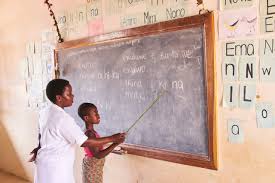
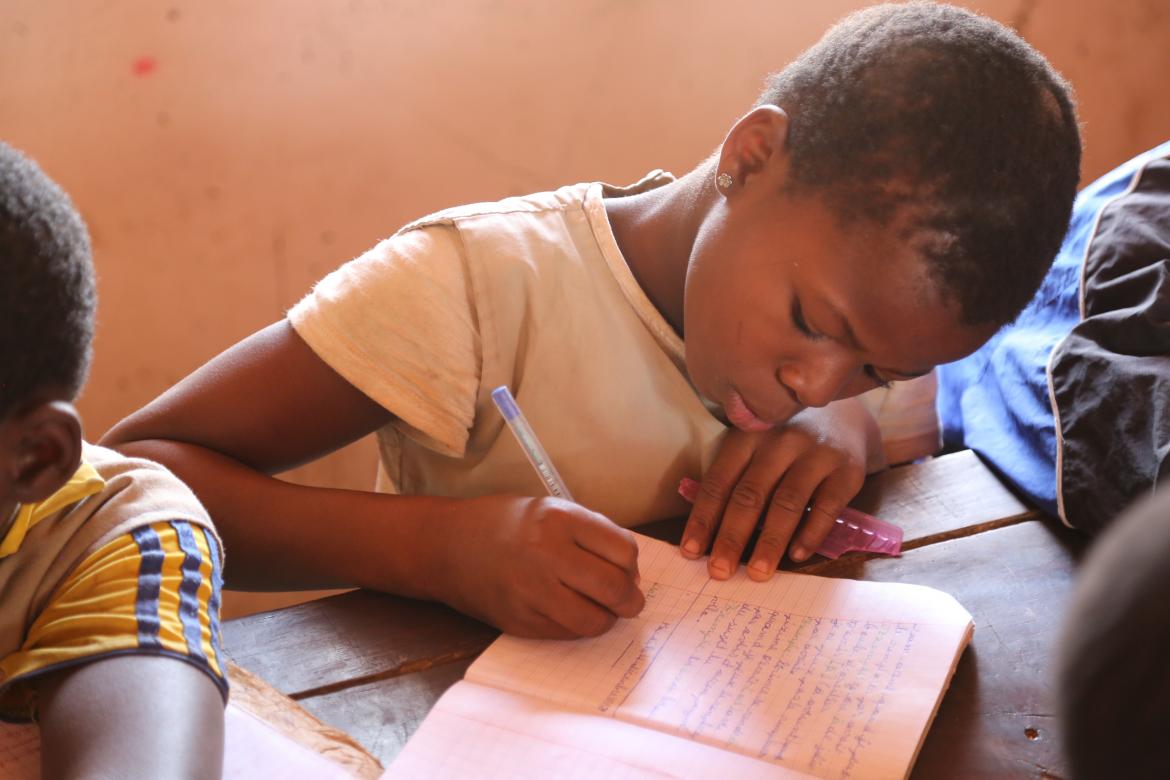
Foundational Education Support (6-12 Years)
Improve literacy, numeracy, and school retention among primary school children.
Key Interventions
- After-school learning support programs
- Reading clubs and literacy campaigns
- Provision of essential learning materials
- Mentorship and life-skills development
Expected Outcomes
- Improved reading and math proficiency
- Increased school attendance and retention
- Higher student confidence and engagement
All Ages
Child Protection and Safeguarding
Ensure children grow up in safe, nurturing environments.
Key Interventions
- Community awareness on child rights and protection
- Identification and referral of vulnerable children
- Strengthening local child protection structures
- Training caregivers on positive discipline
Expected Outcomes
- Reduced cases of neglect and abuse
- Increased reporting and response to child protection issues
- Stronger community accountability for child welfare
Strong Families
Economic resilience focus
Household Level
Family Strengthening and Economic Resilience
Address household-level vulnerabilities that directly affect children.
Key Interventions
- Parenting support groups
- Financial literacy and basic income-generating skills
- Linking families to social protection programs
- Promoting household-level planning and stability
Expected Outcomes
- Improved caregiving capacity
- Increased household stability
- Reduced economic stress impacting children
Youth Leadership
Youth Engagement and Leadership
Empower young people as agents of change within their communities.
Key Interventions
- Volunteer programs
- Leadership and skills training
- Community service initiatives led by youth
- Peer education programs
Expected Outcomes
- Increased youth participation in development efforts
- Stronger local leadership
- Sustainable community-driven impact
Get Involved
We recognize that meaningful impact requires collaboration.